Presence is the Medium of Love is a quote I came across while listening to Ian Simkins on a podcast in which he was discussing finding God in the mundane things of life. He used the phrase to describe his intentional efforts to be present with his three young sons. He talked of wanting his boys to be able to see the white of his eyes when he spoke to them or responded to them. He cited a recent example of his youngest son grabbing him by the face and saying “Daddy, you need to look at me when I talk to you” as Simkins was actually looking at his phone while responding to a question from his son.
Being present in the moment has always been challenging for many of us I think but it seems that our society and technology may be making it even harder. I don’t think there are too many people who are actually opposed to the idea of being and living more in the present moment. It sounds great, makes a lot of sense, but it is just hard to do sometimes. I recently heard that the CEO of Nvidia doesn’t wear a watch because he says now is the most important time. While I suspect this billionaire likely has a staff person who keeps his schedule and takes care of many of the things that the rest of us have to actually do with our time each day, I resonate with the sentiment of his advice and agree that we should all be thinking of more ways not to be so bound by time.
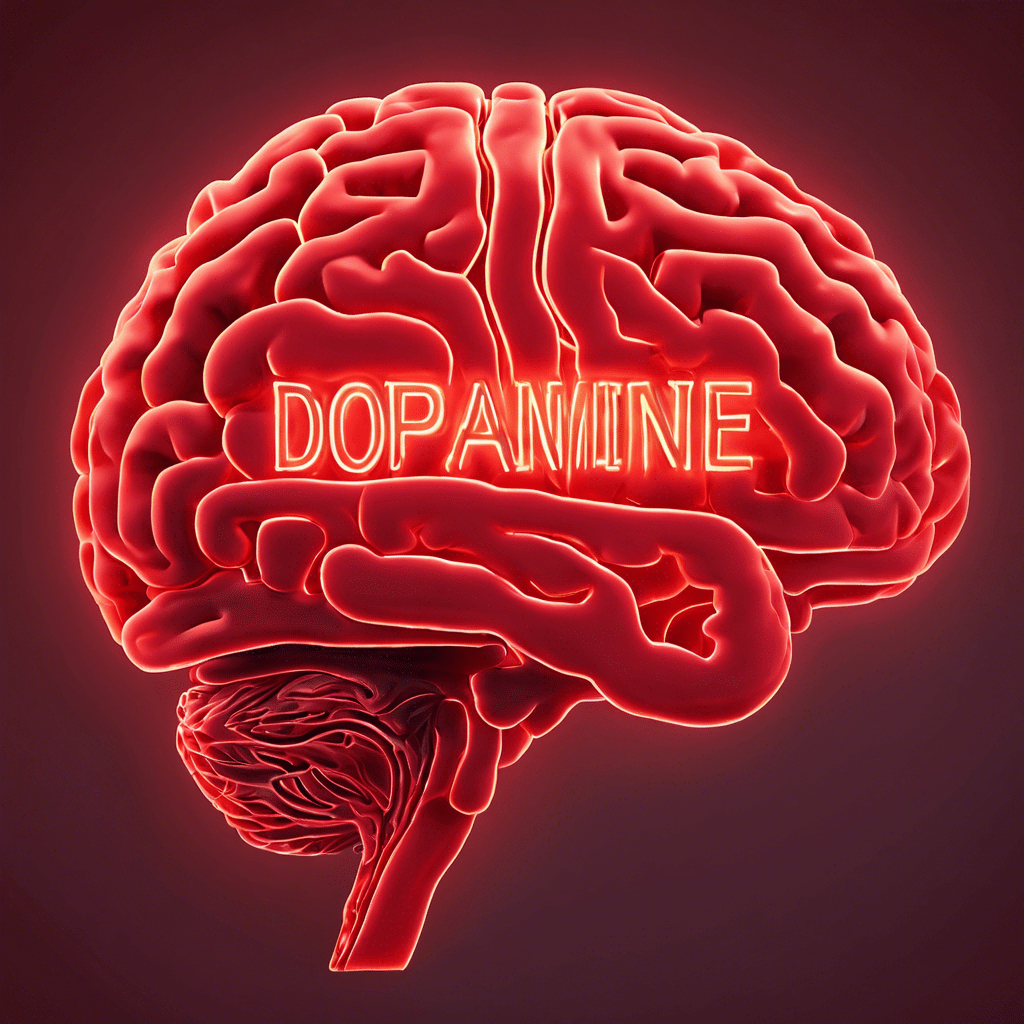
So, what is it that gets in the way of us being present in the moment and serves as a barrier that keeps us from full interaction with those we love? There is a term that has been coined to describe what I would say is an insidious aspect of our current culture. We live in a Culture of Dopamine. There are a few different ways this has been conceptualized but one that I will share here is that our culture type has changed over time. These cultural types are three in number and referred to as Slow Traditional Culture, Fast Modern Culture, and Dopamine Culture.
Slow traditional culture can be thought of as culture marked by a slower, more deliberate pace in which an investment of time was required to see a payoff. Examples of activities in a slow traditional culture are things like writing letters by hand, playing a sport or attending a game in person, going to a theater to see a film, going to a museum to view art, buying a physical album and playing it on a record player, and extended courtships.
Fast modern culture can be thought of as a culture marked by an expansion of technology and changing social mores that has reduced the time and requirements to see a payoff. Examples of activities in a fast modern culture are things like composing emails, watching sports on tv, renting or streaming a video on your schedule, being able to view any famous work of art online, playing a single song from any album digitally, and relaxed expectations around dating and courtship.
Finally, dopamine culture is a culture marked by the near instantaneous ability to obtain what one wants. Examples of activities in a dopamine culture are things like short texts marked by acronyms and emojis, gambling on sporting events, watching seconds long reels or videos, scrolling AI generated artistic images on your phone, listening to brief snippets of songs on TikTok, and swiping left or right to meet someone.
For those of you who may need a refresher on neurochemistry, dopamine is a neurotransmitter that sends signals from one neuron to another, and it’s probably the most important neurotransmitter in our experience of pleasure, motivation, and reward. Dopamine is the final common pathway for all pleasurable, intoxicating, rewarding experiences.
Dopamine culture gives us quick fixes that while pleasurable on some level, might end up costing us other things in exchange. I would argue that dopamine culture plays a role in decreased attention spans, a decreased depth of knowledge, superficial interactions, and a relative disengagement from others.
A popular acronym you might see nowadays is TLDR. It stands for “Too Long, Didn’t Read” and refers to written pieces that the reader sees and makes a quick judgment that the piece is too long for them to take the time to read. Social media with its reels, videos, Vlogs, focus on visual imagery, and character limits has in some respect resulted in a devaluing of longer form writing (so, yes, given all that I have decided to start blogging longer form writing in a one-man effort to stem the tide).
Do these aspects of Dopamine Culture have an effect on how we interact with others? I think that answer must be, yes, but whether that is good, bad, or indifferent I am not entirely sure. I would humbly suggest that Dopamine Culture has had subtle influence on things like our ability to be still, to be silent, to be bored, and to be present with others. If you don’t think this is true, try going a few hours without any sort of device that has a screen. If doing this doesn’t evoke some level of anxiety or frustration in you, you have my admiration.
As a regular user of social media, compared to pre social media days, I certainly feel like I now know more about my “friends” day to day activities from Facebook and keep up with their lives more now but am I closer to them? I wish people “Happy Birthday” now when Facebook tells me it is their birthday but may not have known it was their birthday pre social media. I have several hundred “friends” on Facebook, but I doubt I would have said I had several hundred friends pre social media. Perhaps “acquaintances” or “people I know” are more accurate terms for many of our social media relationships but I’m guessing those terms didn’t test well with focus groups.
As I watched my two sons grow up and develop relationships in a digital world, I was always intrigued by how their generation has many interactions that are not in person in a traditional sense of being physically present with one another. Many of their socialization opportunities are mediated via digital means. Texts, DMs, snaps, and chatting while playing a game together online or watching something together online makes up a sizable percentage of their interactions with peers.
Don’t mistake me for someone harkening back to a simpler, greater time. I am no anti-technology Luddite, and, in some ways, I am envious of my sons in that I did not get to have access to a digital world while I was growing up. In some ways this expands their circle of friends and allows them to meet people in the digital world that they would likely have never met in a pre-digital world. As they move in adult channels of life and their peers move to different parts of the world, they can maintain relationships digitally that I let lapse in a pre-digital world because it wasn’t realistic or easy to keep close to someone who moved away.
It has only been in recent generations that most people didn’t remain relatively close to where they were born for the remainder of their lives. Most people remained relatively close to their family of origin and if they did relocate, it was often with their family of origin and extended family. Maintaining presence and seeing the whites of a loved one’s eyes was relatively simple if one chose to maintain those relationships.
Mr. Simkins from the opening paragraph will likely be disappointed, but with three sons, it is likely that at least one of them will move some distance from him when it comes time for them to leave the nest. It is the nature of the mobile world in which we now live. His challenge will be how to maintain the “presence” he seeks.
It may be that our definition of presence has to change in our digital age and in a culture of dopamine. The time of extended families living on the same land, within a few blocks, or even miles of one another is largely over. Being regularly present in person with family for a gathering like the traditional Sunday dinner is becoming less and less of a thing. Despite these cultural shifts, we are not without options.
We now have technology that allows us to see the whites of our loved one’s eyes from halfway across the world with things like Facetime and Zoom. The challenge for all of us is figuring out how to maintain our desired level of presence with our loved ones, whether we are seeing the whites of their eyes as they stand physically in front of us or from half a world away via digital means.
If you would like to learn more about Dopamine Culture, I would suggest checking out the book Dopamine Nation: Finding Balance in the Age of Indulgence by Anna Lembke.
by Jeff Drury March 2024
 certifiable
Leave a comment